Pallet Jack Guide for Industrial Operations and Workshops
Pallet Jack Guide for Workshops and Industrial Operations
In any environment where goods are stored, moved, or distributed, efficiency matters. Whether you’re running a warehouse, managing a workshop, or operating on a construction site, handling heavy loads safely and effectively is critical. One of the most widely used tools for this purpose is the pallet jack.
A pallet jack is a simple yet essential piece of material handling equipment designed to move palletised goods over short distances. Despite its straightforward design, it plays a vital role in improving workflow, reducing manual strain, and increasing productivity.
In this guide, we’ll break down everything you need to know—from what a pallet jack is, to how to choose the right one for your needs. Whether you’re a beginner or an experienced professional in industries like engineering, mining, or construction, this article will give you practical insights you can apply immediately.
What Is a Pallet Jack?
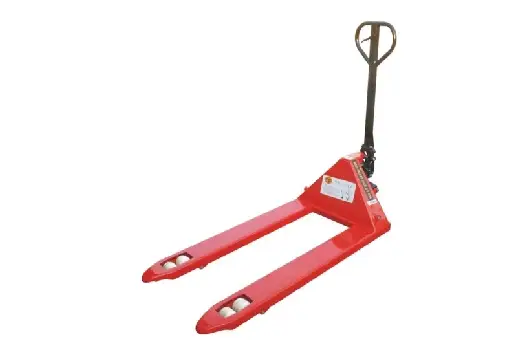
A pallet jack, also known as a pallet truck, is a tool used to lift and move pallets. It consists of two forks that slide under a pallet, a hydraulic pump mechanism, and wheels that allow for smooth movement.
What Are Pallet Jacks Used For?
Pallet jacks are primarily used to:
- Transport palletised goods across short distances
- Load and unload deliveries
- Reposition stock within a facility
- Improve handling efficiency in tight or confined spaces
- They are especially useful in environments where forklifts may be impractical due to space constraints or cost considerations.
Efficiency in Moving Goods
The real advantage of a pallet jack lies in its ability to move heavy loads with minimal effort. Instead of manually lifting items, operators can raise a pallet slightly off the ground and transport it safely, reducing both time and physical strain.
Types of Pallet Jacks
Not all pallet jacks are the same. Choosing the right type depends on your specific application, environment, and workload.
A. Manual Pallet Jacks
Manual pallet jacks are the most common type. They operate using a hydraulic pump activated by a handle.
Best suited for:
- Light to moderate workloads
- Small warehouses and workshops
- DIY and handyman operations
- They are cost-effective, low-maintenance, and reliable for everyday use.
B. Electric Pallet Jacks
Electric pallet jacks use a motor to lift and move loads, significantly reducing operator effort.
Best suited for:
- High-frequency use
- Larger facilities
- Heavy load handling
- These units improve efficiency but come at a higher initial cost.
C. Heavy-Duty and Specialised Pallet Jacks
Some applications require more specialised solutions, such as:
- High-capacity pallet jacks for industrial loads.
- Narrow fork designs for specific pallet types.
- Rough terrain pallet jacks for construction sites.
D. Key Differences
When comparing pallet jacks, consider:
- Load capacity (commonly 2–5 tons)
- Fork length and width
- Wheel material (nylon, polyurethane, rubber)
- Application environment
- Each factor directly impacts performance and longevity.
IV. Pallet Jack vs Forklift
Understanding the difference between a pallet jack and a forklift helps you make better equipment decisions.
| Feature | Pallet Jack | Forklift |
|---|---|---|
| Power source | Manual or electric | Engine or battery |
| Lift height | Low (just off ground) | High stacking capability |
| Cost | Lower | Higher |
| Space requirement | Minimal | Larger operating space |
When a Pallet Jack Is the Better Choice
- Tight working spaces
- Short-distance transport
- Lower budget operations
- Simpler material handling needs
When a Forklift Is More Suitable
- Stacking goods at height
- Handling very heavy loads over long distances
- Large-scale industrial operations
In many cases, both tools are used together for maximum efficiency.
V. Common Industries That Use Pallet Jacks
Pallet jacks are found across a wide range of industries in South Africa, such as.
- Warehousing and Logistics
- Used daily for moving inventory, loading trucks, and organising stock.
- Retail and Wholesale
- Essential for stock replenishment and backroom operations.
- Manufacturing
- Helps transport raw materials and finished goods within production lines.
- Distribution Centres and Workshops
From steel fabrication shops to automotive workshops, pallet jacks streamline internal logistics.
VI. How to Choose the Right Pallet Jack
Selecting the correct pallet jack is not just about price—it’s about matching the tool to your operational needs.
A. Weight Capacity
Always choose a pallet jack that exceeds your typical load weight. Overloading can damage equipment and pose safety risks.
B. Fork Dimensions
Ensure compatibility with your pallets. Standard pallets fit most models, but specialised pallets may require custom dimensions.
C. Frequency of Use
Occasional use → Manual pallet jack
Frequent or heavy use → Electric pallet jack
D. Floor Conditions
Smooth concrete floors → Standard wheels
Rough or uneven surfaces → Heavy-duty or specialised models
E. Workspace Size
Compact environments benefit from smaller, more manoeuvrable units.
At THT, understanding these factors is key to helping customers select equipment that performs reliably over time.
VII. How to Use a Pallet Jack Safely
Proper operation is essential to prevent injuries and equipment damage.
A. Basic Operating Steps
- Position forks under the pallet
- Pump the handle to lift the load
- Push or pull the pallet to the desired location
- Lower the pallet carefully
B. Load Positioning
Always centre the load evenly across the forks to maintain balance.
C. Safe Handling Practices
- Avoid sudden movements
- Keep pathways clear
- Wear appropriate safety gear
- Never exceed load capacity
D. Common Mistakes to Avoid
- Dragging instead of rolling loads
- Overloading the jack
- Operating on unsuitable surfaces
- Ignoring maintenance needs
A disciplined approach to safety ensures long-term reliability and workplace efficiency.
VIII. Recommended Pallet Jack Option from THT Tools
At THT Tool & Machinery, we supply high-quality pallet jacks designed to meet the demands of South African industries—from small workshops to large-scale industrial operations.
Our range includes durable manual pallet jacks suitable for everyday use, built with robust frames, reliable hydraulic systems, and wear-resistant wheels. These units are ideal for contractors, artisans, and businesses that require dependable material handling without unnecessary complexity.
At THT we supply and can source pallets jacks to your requirement, ensuring you get equipment tailored to your specific load capacity, environment, and application needs. Whether you operate in automotive, construction, or manufacturing, our team can assist in finding the right solution. For more information, explore our pallet jack product range or contact us directly for expert advice.
Conclusion
Pallet jacks remain one of the most practical and cost-effective tools in material handling. From improving efficiency to reducing manual strain, they play a vital role across multiple industries. Choosing the right pallet jack involves understanding your operational requirements—load capacity, environment, and usage frequency all matter. With the correct equipment, businesses can streamline workflows and maintain safer working conditions.
At THT, we focus on supplying reliable, industry-ready solutions that meet the real demands of South African professionals. If you’re looking to improve your material handling processes, exploring the right pallet jack is a solid place to start.
If you need assistance selecting the right pallet jack or sourcing specialised equipment, shop now at THT Tool & Machinery—we’re here to help you get the job done efficiently and safely.